America’s grid problems are often framed as physical constraints: equipment shortages, interconnection backlogs, and a lack of powered land.
But are we missing an opportunity to bring bigger ideas to the table as we reindustrialize and electrify the economy?
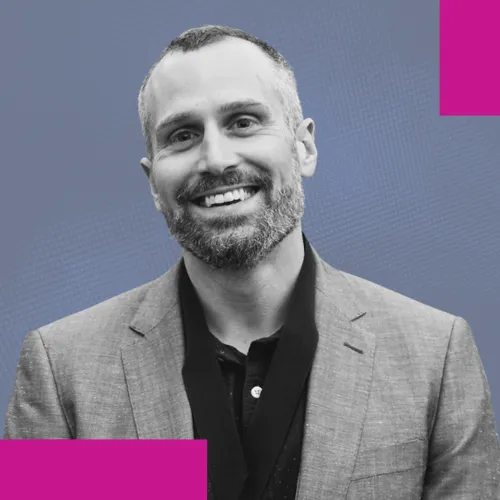
This week, Jane Flegal, a senior fellow at the Searchlight Institute, joins the show to talk about why our biggest constraint is an inability to plan, coordinate, and build at the scale this moment demands.
On the left, there’s a growing push to limit demand through data center moratoriums and price controls. On the right, there’s a lot of talk about ratepayer protections and off-grid data centers without much thought to big-picture system planning.
We don’t have a system that can align private capital, public priorities, and long-term infrastructure needs. So what would real coordination look like?
We’ll talk about Jane’s new proposal seizing the data center buildout to support a grid infrastructure fund. We’ll talk about why the current debate about “utilization vs expansion” misses the point, and what it would take to coordinate a data center buildout for public benefit.
Then, we’ll turn specifically to green groups. After spending years playing up electrification, why is the climate movement struggling to bring big deals to the table? And what does it mean to build durable political coalitions around climate?
Credits: Co-hosted by Stephen Lacey, Jigar Shah, and Caroline Golin. Produced and edited by Anne Bailey, Sean Marquand, and Stephen Lacey.
Want to watch this episode? Subscribe to our YouTube channel.
Open Circuit is brought to you by FlexGen, a leader in integrated battery energy storage solutions and energy management software. FlexGen helps owners and operators gain greater visibility and control across complex energy systems to maximize performance. Learn more at www.flexgen.com.
Join Latitude Media on April 13-14, in San Francisco for Transition-AI 2026, a two-day, in-person conference on the digital and energy infrastructure buildout needed to support AI load growth. Our podcast listeners get a 10% discount on this year’s conference using the code PODS10. Register today here!
Transcript
Stephen Lacey: Oh, Jigar, you missed the news before you came on. Did you see that Chris Wright and Doug Burgham accidentally added Jeffrey Goldberg to their group chat about energy dominance?
Jigar Shah: Oh gosh.
Jane Flegal: No.
Jigar Shah: Oh my goodness. I mean, that Jeffrey Goldberg, he must have one of those phone numbers that’s similar to 43 other friends.
Stephen Lacey: They’re trying to brainstorm ways to get the president to embrace VPPs actually.
Jigar Shah: The best way to do it is to not call it VPPs, right? Don’t they call it demand flexibility or dominance flexibility or?
Stephen Lacey: Yes. Strategic energy reserve.
Jigar Shah: Strategic energy reserves. That’s great.
Jane Flegal: That’s great.
Stephen Lacey: By the way, I’m kidding. Happy April 1st.
Jane Flegal: Oh my God. Oh my God. Good one. Good one.
Jigar Shah: Oh my goodness.
Jane Flegal: That’s excellent.
Jigar Shah: You should have at least give me happy news like the Strait of Hormuz is open.
Stephen Lacey: From Latitude Media, this is Open Circuit. America’s grid problems are framed around constraints. Equipment shortages, backlogs for connecting power plants, limited powered land, and that’s all true of course. But our biggest constraint is something far bigger, an inability to plan, coordinate, and build at scale. And right now you can see that weakness playing out in very different ways. On the left, there’s a growing focus on limiting demand, data center moratoriums, concerns about affordability, a sense that the system can’t absorb what’s coming. On the right, the response looks almost inverted. A push for massive new generation, often without clear offtake, paired with policies like a ratepayer protection pledge that don’t really resolve who pays or how the system holds together. Two very different approaches, but they’re both reacting to the same underlying problem. We don’t have a system that can plan and build at the speed this moment requires. So what would real coordination look like? This week we’re going to unpack one big idea to align private capital, public planning, and long-term infrastructure needs. Can we turn this moment into a coordinated push to build the system we actually need? We’ll get into it right after this. Welcome to the show. I’m Stephen Lacey, the executive editor at Latitude Media. Jigar Shah is back. He’s the co-managing partner at Multiplier. A man who is seemingly never without a microphone these days, although still has problems connecting it sometimes.
Jigar Shah: But am I actually back or is this just the Jigar Shah emulator?
Stephen Lacey: How was spring break?
Jigar Shah: It was fantastic. We did all the Florida national parks. They have beautiful national parks down there.
Jane Flegal: Oh my God. I took my three-year-old to the Everglades during spring break.
Jigar Shah: Yes.
Jane Flegal: We saw some Gators. Not my favorite vacation, I must admit.
Jigar Shah: Did you get lectured about the Burmese Python?
Jane Flegal: I got lectured about everything.
Jigar Shah: It’s an invasive species that has taken out 90% of all the mammals in the Everglades.
Stephen Lacey: People had them in a tank and they let them go?
Jigar Shah: Yeah, exactly. Like in 1979 and now it’s like 300,000 of them and they’re just eating up everything in the Everglades.
Jane Flegal: This sounds like an argument from big Python hunter to allow things.
Jigar Shah: So they actually do that. So they have-
Jane Flegal: Of course they do.
Jigar Shah: They pay you like $40 a pound or whatever for the pythons that you find and kill. Great.
Jane Flegal: Great, great, great.
Stephen Lacey: Well, in the co-host chair this week is Jane Flegal. Jane has seen every angle of the climate policy world from leading industrial emissions policy at the White House to running climate policy at Stripe to senior positions at numerous climate foundations. And Jane, we’re delighted to have you here. How’s it going?
Jane Flegal: Thanks so much for having me. It’s great. I’m coming to you live from a hipster hotel in Brooklyn, so I feel particularly enthusiastic about talking about public benefit today.
Stephen Lacey: I noticed you have really been in the mix on Twitter these days.
Jane Flegal: It’s like you liberate yourself from an institutional job and suddenly you can just say whatever you want. Yeah. It’s good and bad. On the one hand, it can be a nice and constructive way to intervene in the public debate. It also can ruin your life and democracy, as it turns out. So we’re walking a fine line. And there’s no way I can keep up with Jigar.
Jigar Shah: Players gonna play.
Stephen Lacey: Well, Jane’s a senior fellow at the Searchlight Institute where she recently published a banger set of ideas on how to seize the data center opportunity, and I want to get into that today. So the idea that you put out was this grid infrastructure fund and it got a lot of play on Twitter, a lot of play around the internet. And I just want to start off with what that is because it opens up a really important set of conversations around what planning should look like. Before we get into the idea, what did you think people were getting wrong in the current conversation about load growth in the grid? What gap were you trying to fill?
Jane Flegal: Yeah, I guess I basically felt a little bit frustrated because I think we are at this really important historic moment for modernizing our electricity grid. And obviously data centers are the largest new source of electricity demand in a generation, but they are also like the most powerful leverage point we have for building a grid that for me, because I care about climate and I really care about electrification, electrification was always going to require modernization and significant build out of our grid and our energy infrastructure. And I kind of feel like we have been wasting this opportunity. We have a situation where every hyperscaler is like desperate for power on a timeline that the existing grid simply cannot deliver. So in a way that in and of itself is revealing problems with our existing approach to the grid, which as much as I might find that a sexy topic is not always top of mind for governors and advocates. So that in and of itself is exciting, but more importantly, their desperation for speed to power is leverage. So the question that I was trying to get at here was just like, how do you reframe the conversation about like, will they or won’t they data centers to how we can use this moment to extract real commitments from these hyperscalers on everything from cost allocation to clean from power to grid investment that will benefit the broader public or whether we just let utilities and the hyperscalers negotiate in the dark and socialize the costs onto rate payers. And so that’s why I wrote this paper. I was just kind of searching for like, what would it look like to reframe the conversation about data centers and power in a way that like reoriented the conversation around like, how do we get the public grid we need, not just for climate, but for economic and national security? And what can we do today to take advantage of the hyperscaler’s willingness to pay for speed to power to make that happen?
Stephen Lacey: Jigar, do we need to reframe?
Jigar Shah: I think the challenge, honestly, and I mean, I’ve obviously thought about this for a long time with our good friend, Rob Gramlich and others who’ve been thinking about this forever. When we were serving the Biden administration, I think the way that we did this was, in my opinion, a bit more tepid. We had this extraordinary team of people like Avi Zevin and others who were just like, had read every single white paper known to man before he came into office. And I think he tried to fix things like through the front door with FERC and trying to figure out how to get the RTOs and the ISOs to do better planning. And in the end, I think what they decided was that you needed a strong federal government that actually sort of forced people to do things. And I think what the paper hints at, but doesn’t really address accurately in my opinion, is that ultimately the reason why this option is not available to us in this moment is that the federal government, this federal government doesn’t want to push it, right? Advocates can’t step in for the federal government.
Jane Flegal: I mean, I guess I just … Well, so let me say two things about this. One, I totally agree and I tried to be very explicit in the paper about like, this is not … The notion of a fund is a little bit of a misnomer because this is not a capital problem. I’m trying to use the idea of a fund to address coordination and incentive problems. And I think like what is really needed candidly is like some mechanism for much better organizing the capital interests of the hyperscalers and also other sort of folks in the policy ecosystem to focus on the policy reforms at the federal level that are most needed to address these structural issues. And so like there’s kind of a political economy argument here, which is like, I even put in the paper, I think, could you make participation in the fund contingent on advocacy obligations on everything from permitting and planning to … And I’ll just say, when I worked at Frontier, which was the world’s first advanced market commitment for permanent carbon removal, I was responsible for market development and policy. And I think going into launching Frontier, the idea was like, okay, we’ll actually make the early market for carbon removal. But one of the things that I found most catalytic about that was we got the tech companies together and they started to quickly understand that the primary barriers to scaling carbon removal are policy barriers. And so like they launched the Carbon Removal Alliance and started to focus more on like, can we fix 45Q, et cetera, et cetera. So that’s kind of one idea that’s happening in the background here. And then I guess on your point, Jigar, which I totally take is like, would this government ever do the right thing here? I don’t actually know the answer to that. And I guess there’s two pieces. One is like, what would they do administratively? And I think for a long time, we’ve tried, as you’ve noted, to like fix these transmission planning and permitting problems and like utilities and states have really been a problem, like repeatedly, repeatedly, repeatedly killed this. And so like now what’s different is we have a counterweight in the form of the hyperscalers and related interests. And so like that does, I think, change the political calculus a little bit. And then on the legislative side, part of what I want to do here is to get people to really pay attention to the conversation about a permitting bill, which is not just about NEPA and the Clean Water Act, although that stuff is also important, but about can you get reforms to the Federal Power Act in a way that help address some of these challenges. And I will continue to be delusionally optimistic about getting a federal bill pass in part again because of this political economy analysis.
Stephen Lacey: I mean, I do totally agree with your premise that we need a reframing of this issue. And it’s really easy to get lost in some of the individual debates and conversations around, are data centers going to be off grid or not? Do we need capacity market reform? Should we use VPPs for capacity? There’s all sorts of like individual conversations that we’re having, but what you’re saying is that we need a much bigger framework and coordinate for coordination. And so I just want to talk about what that coordination is. Just give us the idea. How would you describe what the fund does?
Jane Flegal: Yeah. I mean, I think the idea here at a highest level is get large loads that require significant grid upgrades to contribute to a fund that addresses a few things. And I think what’s important about it to me is first of all, the kind of standardization of the requirements of participation in the fund, because what’s happening now is these like bilateral negotiations that take forever and often happen in the dark between an individual load and a utility or a commission. And it’s just, we’re seeing all this creative stuff happening bottom up on tariff design and whatever, but it’s not transparent, it’s too slow. It’s like every company has an incentive to pursue whatever is best for their personal private interests. And so the idea here was just like take a step back and can we kind of standardize at some level the terms that we would like to see on cost causation requirements, which I think FERC is actually intervening much more aggressively on some of that basic architecture, but like, can we just get really clear about what we expect in terms of large loads paying for cost? I think one of the ideas in the fund is, and this is like, I kind of threw this out here just to start a conversation, but kind of a payment into an insurance pool by the hyperscalers because one of the issues that we’re continuing to address is this anxiety about overbuilding for data centers that don’t materialize. So like if you could kind of use the fund to help take that risk off the table, it might make it easier for us to build the grid that we need. I think I also, at the end of the day, we’re retiring a lot of firm capacity and not building a pace to keep up with that. So I think if you could use some amount of resources from the fund to aggregate clean firm power commitments, I think that could be really interesting. Again, lots of these individual companies are doing cool stuff like Google is doing off takes with Fervo and like really interesting demand flexibility things. But I feel like the companies that are doing the good things are not getting the credit they deserve publicly because it’s all these like ad hoc in the weeds negotiations. So if you could find some way to coordinate across the hyperscalers and elevate what we actually think it means to be like a good grid citizen right now, that’s sort of the primary thing. And again, like the financing piece of it is like an interesting carrot potentially. And I do think if you could get LPO financing, which I’m sure Jigar has thoughts on or some other federal financing to help lower the cost of capital associated with building some of this stuff, that might be an interesting carrot, but it’s really not about the capital. It’s much more about the coordination and like regulatory design questions.
Jigar Shah: So I agree with you, Jane. I think that the part that I think we need to spend more time on though is why transmission is so boring, right? Because I think to Stephen’s point, right, that people want to talk about VPPs, they want to talk about foreign energy batteries, they want to talk about all this other stuff. They don’t want to talk about transmission. And I think there’s a couple of big things here. One is I think the avenue by which it gets approved is completely divorced from the big green groups, right? So like they’re not involved at all, right? So when you think about like, when we were serving the Biden administration, I remember talking to SPP and they had, I think it was like $30 billion worth of transmission grid upgrades that we were super excited about. And all of them were in the money and Rob Gramlich was involved and this guy was involved and that guy’s involved. And then magically in the end, the announcement was like $11.6 billion worth of projects, right? And you’re like, “What happened?” And basically there’s this whole architecture of how these projects get approved and part of it is science, right? Like the projects should pay for themselves and should unlock value, right? Which we thought all 30 billion did. And then part of it is actually this like secret cabal of like consumer advocates and others who are saying, “Once this gets approved, then it goes to the states to rate base those particular costs.” And everyone was like, “That number’s too big. We’d like that number to be smaller.” And so part of my challenge, I think in this moment when everyone is talking about affordability and everybody wants lower numbers, right, affordability is by definition, numerator gets smaller, denominator gets bigger, right? Yeah. And so this transmission thing that everyone’s trying to rate base is in the numerator. So part of, I think, where the conversation has gone on Twitter and other places is not just around LPO, which can provide the sort of 80% financing and a lot lower interest rates, et cetera, but also it has gone the way of the highway trust fund where the federal government just pays 90% of the costs of all these highways, right? And as a result, there’s just a lot less burden on states, but in exchange, they’re able to do this mega planning that you’re talking about, right? Because I totally agree with you, right? I mean, left to its own devices, people do what’s in their private best interest. So you could imagine if highways were done in the private best interest and Amazon was negotiating on a highway and Walmart was negotiating a highway, right? Well, then you would have these minor connections, right? You wouldn’t have something that went from New York City all the way to San Francisco.
Jane Flegal: Exactly.
Jigar Shah: And so the question becomes like, what’s really wrong with the process? And I think what’s wrong with the process is we’ve given it to the ISOs and RTOs and that’s just not going to work. So then I think it needs to have this huge federal government, in some ways, like overreach. It needs to be like the federal highway system where you’re just telling them what to do. And in the last year of the Biden administration, we finally unlocked some of those rights in the 2005, 2007 Energy Policy Act around national interest corridors and this ability for DOE to tell everybody what to do, but we were just too chicken to do that, I think, in the Obama administration. And so now we have these tools, but I don’t think this administration wants to use eminent domain powers and all these other things to actually unlock all of this opportunity.
Jane Flegal: But the question kind of is why. Their entire economic strategy is contingent on AI working. And this is a very legitimate constraint on the ability to do these things. Yeah, I totally hear you. I mean, the other part of this is like, look, my interest, I’m not a hyperscaler. I wish them all of the success in the world, and I think we should make it easier to build them here. I’ve devoted my career to climate change. And I think there’s a way in which we didn’t totally take our own load forecast projections seriously for electrification and the scale of infrastructure planning and financing that it was going to require to fully electrify the economy. So there’s kind of like a rude awakening happening now, I think, where everyone’s like … We’re sort of like, “What was our plan actually to do the kind of mega project scale planning and building that we were going to have to do to electrify the economy anyway?” So I do think we were going to have to deal with transmission planning and permitting reform and a need for a very robust bust federal role eventually. If it was all done through the frame of emissions reductions in climate action, I would be much less bullish on getting it done. But now we have an opportunity to do it seriously around the economic and geopolitical implications of an industry. And candidly, I think we should all be kind of embarrassed. Load growth is good. It is a good thing. It’s good ultimately for electrification. It’s also good for the economy. Leaving aside people who want to have debates about the social value of AI, we never want to be in a situation again where we cannot quickly meet economic growth that depends on our electricity system because we’re so bogged down in these arcane processes and underbuilding and underinvesting in our grid. So we really do need to address this is the issue. And if we can’t do it this year, I think what I would like to see, Jigar, is like a federal conversation that has much greater ambition on the federal transmission stuff so that post 2028, potentially there’s like real frameworks that have been socialized a bit about what the most ambitious version of this could look like.
Stephen Lacey: We’re going to talk a little bit more about the state of environmental groups and climate philanthropy a bit later. But to your point about the fact that environmental groups and climate groups have been championing aggressive electrification, but now that it is happening and expanding quickly, there is a lack of great ideas about how to seize the moment. I absolutely see that. And that’s one of the reasons why I really liked this paper, someone from the climate world coming in and establishing a real clear set of ideas to make use of the moment. It has landed in Twitter and on the internet in ways that like reflect our tribalism. What is the debate that you have seen emerge around this idea?
Jane Flegal: I think there’s like two big categories, maybe one of which implicates Jigar. So let’s save that for the second one so he can yell at me. The first one though is just the like moratorium on data centers argument, right? It’s just like the notion that we should use this moment as leverage is ill-founded because what we should actually be asking for as climate and environmental champions who acknowledge that data centers use a lot of energy is to like not use that energy. And so the actual answer to this is like, oppose the build out of data centers. I think that’s a bad idea, but I also do think it’s worth noting that like the fact that there’s a real threat around whether these companies are going to get state tax abatements, what the federal government might do, social pushback to build out, is part of what creates the leverage. So I don’t want to be totally dismissive of like some of that pressure. I still think it’s the wrong policy answer, but there may be some constructive implications of having that posture out there. The second one I think is like, whatever. Within the Democratic Party, we love to yell at each other right now about like abundance versus like anti-monopoly. And I just feel like that is … I get frustrated because I feel like the conversation about grid build out for data centers is in some ways just evolving into a version of that, which is like … And it’s related to Jigar’s point about the affordability stuff, which I take really seriously. It is true, and it would always be true for climate, by the way. And you’re kind of seeing this in New York state right now with local stuff that like, you are not going to get voters to sacrifice near term affordability for climate goals. That is just not going to happen. So it is imperative upon all of us to constrain costs as we electrify. And my concern, I guess, and this is where some of the fights have been happening, Stephen, is like a narrow focus on near term affordability alone is going to bias us toward demand side interventions, which is in a way fine, like demand side interventions in theory are cheaper and faster to deploy. Although I will continue to say that like as a social scientist, the non-technology barriers, as Jigar knows well, are really hard and sticky. And so it does require fixing a bunch of stuff to have some of these demand side interventions produced at scale, which is a worthy cause and something we should continue to pursue. But we are, as I have said before, and I think everyone agrees with this, like it’s a both and. My concern is that if we’re overly focused on just that piece of it, we will miss the opportunity to do what we will have to do even if you maximized demand side interventions, which is like, we’re still going to have to build out a lot of infrastructure to electrify the economy.
Jigar Shah: Yeah. I mean, I think that Jane and I agree, right? So like, I mean, I’m the one who championed nuclear power during the four years of the Biden administration and took a lot of heat for it, right? As well as geothermal, as well as like building out the innovative grid piece of it, like advanced conductors and grid enhancing technologies and all that stuff. So I don’t think that like I’m on any opposite sides of anything. My bigger problem is, is that I’m not in that job anymore. And so the notion that I can fix Westinghouse and figure out how to build AP 1000s right now, I can’t, right? Not from this role, right? I don’t have the power to do that. I can’t even fix Fervo. When you think about just like how many of the most important locations they’ve secured in Utah and they’re building one, right?
Jane Flegal: I will not tolerate the Fervo hate as a Tim Latimer stan.
Jigar Shah: I’m not hating on Fervo. I’m saying that like we have one major geothermal project under construction in this country. And so do I believe that they’re on track to delivering 30 gigawatts of geothermal potential by 2030? No, I do not. Or even five gigawatts by 2030, right? And so they are on a slower train to providing us clean firm power generation. And so the problem I have is, in the role that I play today, I need the private sector companies to do 90% of the work and then I can do 10% of the work, right? And like these people don’t want to do 90% of the work. So whether it’s like TS Conductor or CTC Global or like all the folks who are building large transmission lines, they want me to carry them on my back. And my back is super strong, but it’s not that strong.
Jane Flegal: Prove it.
Stephen Lacey: When you say carry on your back, what do you mean by that exactly?
Jigar Shah: When you think about how much money they’re putting in to actually solving the permitting challenge on the Hill, it’s almost nothing. Yeah. When you think about the fact that Invenergy got smacked by this administration in Missouri, by two specific people, right? We talked about on an earlier podcast, how I put money into a PAC to make sure that Chip Roy never gets elected to office ever again. Do you think Invenergy put any money in to make sure that the Attorney General and the Governor of Missouri never get elected to office again? No. So then what consequences did the people of Missouri actually get for holding up the Grain Belt Express line? None. And so you think they’re going to do it again in Wyoming when Transwest now wants to get built? Do you think they’re going to do it in Montana when that line wants to get built? Of course. So I just think that there are rules of the game, right? Which is if you want to build these lines and like some random landowner calls up Josh Hawley who doesn’t even live in the state of Missouri and actually like calls up the president to kill a line, that person should never get elected to office again, but there are no consequences. And so like, am I supposed to exact those consequences on Josh Holly? No.
Jane Flegal: I don’t know, Jigar, maybe. Maybe. I’d be scared of you.
Jigar Shah: My back is already straining under the stress here.
Jane Flegal: I mean, I think this actually goes to the conversation we’re going to have later, Stephen, about the existing advocacy infrastructure in the environmental community and in the industry side where like, I totally agree with Jigar. We have basically failed, in my view, to build a political accountability and incentive structure in a clear eyed way. The fact that crypto did this faster than the clean energy industry is like very upsetting to me. They built a bipartisan pack and like had a lot of influence and very quickly. And we have been, I think, overly reliant on environmental NGO and their political infrastructure to do the advocacy work for the industry, which is just insane. No one would do that. That’s an insane thing to do. And so we need a lot more innovation, I think, to address the political constraints that Jigar’s pointing at. I still don’t really understand why that means investing in clean firm is somehow less worthy than doing the VPP stuff. Like today, whether you’re like a nuclear obsessive or like a VPP enthusiast, neither one of us have totally demonstrated that this stuff can solve problems at the scale that we claim that they can. So I’m sort of a risk management suggests we should try to do it all for sure. But Jigar, don’t you think that like, isn’t one of the arguments about the utility business model and like intransigence here that it’s actually really harmful for the demand side stuff?
Jigar Shah: I mean, utilities have never been my favorites, right? I mean, as anyone who’s listening to the Energy Gang podcast or now Open Circuit, right? But it was not that hard to pay off Dominion to build a $10 billion offshore wind farm, which just came up.
Jane Flegal: They built a boat.
Jigar Shah: Right. But I’m just saying, they got to rate base it. And so they were like, “Okay, that sounds great to me. ” And so, done. So I think that there are ways in which you get utilities to do things, right? We passed a law in Virginia around grid utilization, right? And then there are ways to pressure utilities to do things. So I’ve talked to a lot of utility stock analysts, but utility stock analysts do not like nuclear power, right? They do not want utilities to rate based nuclear power. So like, you know, So then I have to figure that out from the federal government side and we were doing it and we were trying to figure out insurance and all the other pieces. But that’s now passed on to another administration who I think wants the press release more than I think they want to do the actual work. So now we can turn our attention to advanced conductors. When you think about how much transmission capacity gets replaced, just because a lot of the wire is 50 years old and only about 20% of those miles are using advanced conductors. And then Google just announced that they wanted to subsidize those advanced conductors and the utilities are like, over my dead body, are you going to provide me any cash because I want to rate base it. But then they didn’t use advanced conductors. But my problem is that at least the VPP industry is willing to stand up for itself and put cash to work and actually hire lobbyists and do stuff. The advanced conductors people are not doing that work. And certainly NEI in the nuclear industry is not doing anything to the point where all the senators on the hill are so pissed off with the nuclear industry that they’re like, “We’re not giving you anything more because we’ve done everything you’ve asked us to do for the last five years and you haven’t announced a new nuclear plant.
Stephen Lacey: I think to some degree the debate online is a bit contrived because almost everyone’s saying we need both and.
Jigar Shah: Of course. Yeah. And who’s doing the contriving, Stephen? You’re the one constantly trying to pit me against Jane.
Jane Flegal: I mean, look, I do want to say it’s easy to caricature environmentalists in negative ways, but I do think lurking way beneath the surface of this at some level is this question of like, is demand growth good?
Stephen Lacey: Yeah, for sure. And I mean, I think that a lot of environmentalists would say no.
Jigar Shah: Isn’t that the entire rationale for Ted Nordhaus and Alex Trembath? Isn’t their whole thing basically that they’re humanists and they believe in human flourishing and like there’s a part of the environmental movement that are de- growthers.
Stephen Lacey: Sure. And that’s been a narrative for 20 years since Nordhaus published his book, an essay, The Death of Environmentalism. I mean, I think that, and there’s a lot of truth in it for sure. I guess before we move into the conversation about green groups, you say that there’s a window right now, window of opportunity. What exactly is creating that window and how big or small do you think it is?
Jane Flegal: I’ve become really interested in this idea of the state tax abatement fights as a very specific place to have these conversations about leverage. Like you’re seeing this live debate in Virginia right now about these … Because the question is, the data centers want, they want speed to power. It’s just really hard to do that. It’s just really hard to do that today if you want them to stay on the grid. It’s just really hard. And so I understand why they’re looking to build behind the meter. I understand why everyone’s frustrated, but I think, and to Jigar’s point, you have like the vague rate payer protection pledge, but it’s all voluntary and there’s no teeth and it’s just like kind of ridiculous candidly. So the question for me is like, how do you create some incentive structure that has both like carrots and teeth to try to get folks to do the right thing? I think you could imagine a world where a state like Virginia, which is offering some of these individual facilities hundreds of millions of dollars in tax breaks essentially to build there, could say, “We are going to make this tax abatement conditional on you being a good grid citizen.” And you could do that legislatively, like upstream of any individual rate case. And I haven’t seen a lot of that conversation. You see like, don’t do the tax abatements or whatever, but like, I don’t know. So I kind of think that’s one place where there could be a lot more conversation about leverage specifically. And then again, like I share Jigar’s frustration about the insufficient political giving and advocacy on the things that matter most for decarbonization today, including a federal permitting bill, which like absolutely needs to get done. It must get done. And I do not believe that we can just continue to kick the can and wait until we have like some imagined perfect democratic trifecta.
Jigar Shah: A 60 Senator Majority. Yeah.
Jane Flegal: It’s a joke. It’s a joke. And the contours of a bill that have something on NEPA, something on Clean Water Act, and then like federal power act reforms that actually address some of these planning and permitting issues, that’s a good deal that climate advocates should take and want to take and that the industry should want and should want to take. And like now is the moment to get to the hill and lobby for passage of this bill. That would unstick a lot of the anxiety and a lot of the issues around transmission planning and permitting, among other things. And I think there’s this view on the Democratic side that like we can’t negotiate with terrorists basically and that like as long as the Trump administration is continuing to like weaponize the permitting system around solar and wind, we like can’t come to the table. I don’t really understand the logic of that candidly. The only way to actually constrain them is to do permitting reforms. So I think, I actually think it makes the case for coming to the table and doing a serious deal more important. So anyway, I think federal permitting reform and state tax abatement stuff are two very near term opportunities for leverage.
Jigar Shah: I think the only pushback I would give you is that I think what you’re suggesting is absolutely true and I think the Trump administration has deliberately said that they don’t want to do it. I think that when Chris Wright wrote the ANOPER to FERC, he was specifically saying, “I have chosen behind the meter generation as my preferred approach to doing this, not transmission. He could have done it with transmission.” He could have also done it with a magic fund, right? Which is what Chamath has suggested on Twitter, which is like, “Hey, how about all the hyperscalers put money into a magic fund, which then does solar and battery storage allow the Rewiring America report.” And then he talked about it on the All In podcast, right? So like you could imagine all sorts of things happening and speed to power, I think people think it means electricity. No, it means speed to Mar-a-Lago to like pay $250,000 to like actually get something done. And so like part of my challenge here is like, I think you’re just being entirely too logical and like your ideas just make so much sense and the people who are reading it on the other side are just not wanting to do it, right? And I just think that in general, like I don’t think the state of Virginia can solve it on their own. There may be at the corners, like it could be that they could go into PJM in the process and say, “This upgrade of this transmission line that didn’t make the last basket of transmission projects, we think that we could submit some money from Virginia to make that clear.” Like you could imagine something like that from your state tax idea, but there’s not a lot of precedent to doing that. What people generally do is they say, “This is the basket of transmission projects and everyone’s going to rate base it via the formula.” It’s not like one state says, “Here’s my extra contribution and I want these projects done.”
Jane Flegal: Yeah. I think the question is, we might be able to agree on an ideal end state. The question is how do we get from here to there? And I just think we can’t sit on our hands and wait for some better moment. We have to at least be … I think there’s a question of who’s the audience for this paper that I wrote. And there are a couple of different audiences. I would say like the Trump administration is one, but maybe not even the primary one. I think like part of my frustration as someone who’s been a climate donor advisor for many years is like, these are … We need new big ideas on this kind of stuff and like we cannot simply continue to just have a defensive posture of like bring back the IRA tax credits for solar and wind. We need new big ideas on like the kinds of policy interventions that are going to be most catalytic and have some plausible path to enactment in a world of fiscal constraints. And I’m just not seeing enough of that. So I’m basically just trying to- I mean,
Jigar Shah: You funded two or three from me.
Jane Flegal: That’s right.
Jigar Shah: So there’s clearly a lot coming out of this part of the window of this podcast. Yeah.
Jane Flegal: Full disclosure. If Jigar’s being nice to me, it’s because I paid him to be nice.
Jigar Shah: You know that that has never stopped me before from being mean to people. That’s true. I would absolutely come after you if I thought you deserved it, but you don’t.
Stephen Lacey: Well, I think you’re hitting on a really important dynamic in this conversation and that is the role of environmental groups, climate groups, and the lack of clear, concise, big ideas on how to shape the moment. So maybe we can step back for a second and just talk about where things stand right now. You’ve spent your career inside climate philanthropy and policy. How are a lot of these groups, and I’m sure it’s not the same within each group, but how are they generally reacting to this moment of pressure?
Jane Flegal: Yeah, it’s a good question. And look, you don’t want to paint with too broad or brush. I think one big thing that’s happened is like after 2016, everyone was kind of like, resist, fight, blah, blah, blah, move to the States. I think post 2020 electoral results, there are a lot of folks in climate philanthropy who are like, “We should just not work in the US basically, that we should just not even focus here. We should be focusing internationally. We should be doing more work in China and India and in non-OECD economies.” So that’s one dimension is I do think like a lot of the existing climate infrastructure in the US is taking a hit on funding because donors are just like, “This is a mess.” I think that’s ill-advised for reasons we can talk about, but that’s kind of one thing. The other is just like, I think you can argue about whether it was the right analogy, but for a long time, climate groups, climate advocacy came out of environmental groups whose focus was on conventional pollution control and climate is just not a conventional pollution problem. It’s like an invisible gas with bad impacts generally in the future. It’s greenhouse gas emissions are like a side effect of basically all of our economic activity. It’s not like HFCs. And for a long time, we haven’t had cheap substitutes for the use of fossil fuels. That is now changing. And I think the question is like, how does the strategy and how does the infrastructure we have in place to advance decarbonization and climate action need to change? And that’s a really hard conversation for lots of reasons, like culturally and in terms of relationship dynamics and whatever. We now have an industry that, to Jigar’s point, needs to like step up to the plate in a much more serious way. You cannot rely on conventional environmental nonprofits to do your policy development and advocacy. Which is not to say those groups don’t have a role. They have a different perspective than industry groups. There’s a lot that they can and should be doing, but we’re just in a totally different moment. I’m curious, Jigar, what you think about this though.
Jigar Shah: So I was on the board of Greenpeace sort of from 2006 maybe to like 2010, 2011. And I mean, my critique has largely been the same since then, right? Which is that my problem with the environment grows broadly, and they’re all good friends of mine. And so they’ve all heard me say this at dinner parties, which is that like, is that when we passed the Clean Air Act Amendments in the 1990s, there was an explicit desire by the environmental groups to be lazy. And they all basically said, “We are going to hire 100% of all of our incremental employees in Washington DC and no longer do the work in the field.” Because you can kill any one of these projects in district by denying them a water permit or denying them an air permit, but it was always easier just to get Carol Browner to kill it out of EPA, right? And I think that entire theory of change has now come crashing down to zero, right? We’re never going to have an activist EPA ever again, like that is gone, right? So they might be activists on pollution, which they should be, right? But not on CO2, not on coal plants, not on that kind of stuff. And so I think that part of the way that I’m colored by all of this is that even on the permitting reform piece, right? I would like to get the federal government out of the business of any of this value stuff, like whether it’s the XL pipeline or whether it’s like offshore wind, I think the federal government should do their job in eight months, do a proper NEPA and just like publish stuff, right? If you want to kill something, you kill it in Nebraska or South Dakota or in these places, right? You go to local communities and say, “You don’t want this in your community.” And you do it that way. And that’s how environmentalism has worked for years and years and years, right? And so I’d like for them to go back to that way of doing things. And I think that that would connect environmental groups to voters in ways that are just more tangible than where we are now, where I think there’s a lot of backroom deals happening in DC, which I don’t love.
Jane Flegal: I also just think like, okay, so there’s one argument that’s like more focused on state and local level stuff, which I do think the climate movement has been doing, especially when the federal political situation shifts and Democrats aren’t in control. There’s always this like pendulum swing back to states and some of that I think has been really effective. I think the other thing about the federal piece though is that to your point, Jigar, so much of the movement has been focused on EPA as the primary place where climate action happens and not the Department of Energy or even the Department of Interior, right? And so I think that, or FERC, that I think is one of the things that also is changing and needs to change. I think the other thing that I would say, which I have found frustrating is like aversion of the really stupid innovation versus deployment debates where it’s like people have … Everyone looked at the McKinsey abatement curve and they were like, “Oh, all this low hanging fruit, like cheap tons, that’s what we should focus on.” And so it is just like very hard to get climate donors and groups to care about innovation, which I think is like particularly if you’re thinking about, okay, we now have solar wind and batteries at commercial scale and at cost competitive situation with fossils, how do we replicate that for industry and agriculture and transportation? Who’s going to do that work? We do need to focus there. And so much of our frameworks for understanding what we should do on climate in policy is focused on like quantifying near term tons and the stuff that doesn’t easily fit in that frame is just often much harder to make a case for. But I think especially if your view is that our global frameworks for climate action have been overly focused on understanding it as like a collective action problem where we need to like depend on the altruism of every country to like constrain its own, blah, blah, blah, and instead see it as like most of the emissions growth, and Jigar, you have said this many times, is going to come from non-OECD economies. So the question I think is like, what is the role of the US in that context? What can we do here to make it economically and geopolitically rational for those countries to use cleaner fuels? Because the notion that we’re going to ask them to sacrifice is like totally crazy and unethical in my view. And so like, and in that version of the world, like you want all the deployment stuff, you want international financing to deploy commercial technologies, like all of the stuff that you know very well, Jigar. And you also want to think about like, what are the export market opportunities for US companies, whether it’s licensing or hard tech in emergent clean energy industries where like China doesn’t already have a firm.
Jigar Shah: Well, and that expertise doesn’t come from the big five green groups, right? So they look at things like blended finance, right? Which is really more subsidized finance. They look at things like damage sort of funds, that kind of stuff. And so like, I think what you’re talking about there is more firmly in the national security realm and then the national, and then the economic security realm, right? So clearly in focus right now, because of the straits of hormones, right, you’ve got all of these countries around the world who are going to be rationed and denied access to fuels and people can’t get LPG, people can’t get all these things. And we have solutions for all that stuff on like solar and battery storage, like Pakistan has done stuff. And so then the question becomes like, how do you provide technical assistance to all of these countries around doing this? Because in Pakistan, it was done in some people’s minds badly, right? Because the electric utilities really got socked financially while they did it, right? So like if you’re going to have Indonesia do it where 6% of their federal budget is electricity subsidies, is there a way to do it where the utility doesn’t go bankrupt, right? And so there are like things that could do that, but it’s not clear to me that you would put that money through the big five green groups to do that. You might put that money through CSIS or you might put that money through the Council on Foreign Relations.
Jane Flegal: Or like the Energy for Growth Hub or whatever.
Jigar Shah: Energy Growth Hub or whatever, right? And so these are like different nonprofits that you would give the money to, to facilitate those conversations. And part of the reason it matters to me is for those of us who remember, right, when fracking became a thing and Dan Jurgen became Babe Ruth and was like pointing to the stand saying 10 million barrels of oil by 2020, right? Hillary Clinton was the forcing function, right? Remember Hillary Clinton was like, Council on Foreign Relations will talk about this. Atlantic Council will talk about this, like CSIS will talk about this. All I heard about was fracking all day, every day for like three years, right? Every single person understood it, right? And then we were like training people and we were like, and then all USAID and OPIC was doing at the time, if you remember, was trying to figure out how to help LNG import terminals get built around the world. We were like an entire government helping LNG import terminals, right? I have never felt that for clean energy. I have never had like a state department person go, “You know what would be great is if our embassy would actually like help like Nigeria or Mozambique or whatever else, like actually do this thing, right? Even though they have critical minerals and they have all these things, like this whole friendshoring thing that we talked about never happened that I could tell.” And so part of like my concern in this moment is I do think philanthropy has a role in thinking through these things like industrial strategy. Should we be doing it? Should we not be doing it? All of these things are things that philanthropy will fund. And I feel like we’re not actually there on the climate side.
Jane Flegal: Yeah. And this is the thing, right? If you’re a large institutional climate donor who’s been giving to the same set of environmental nonprofits for a long time, like now your staff is going to come to you and say, “We should fund CFR on like EX-IM reauthorization or whatever.” You’re kind of like, “What is this? Is this a climate grant? What is this? ” So I do think like that is part of the … We sort of need everyone, including in the environmental movement, to be acknowledging where we need new idea generation and who the most credible spokespeople are going to be and just be honest about where that is and isn’t some of the existing climate infrastructure that we have today.
Stephen Lacey: So to bring in sort of a well known and long running critique of the environmental movement, it has historically been against things, not for building, really focused on consensus around climate change. And the criticism is that the environmental movement has not focused on durable politics. And I’m just wondering like, what do you think a durable politics for environmentalism actually is? What do you think people mean when they say that?
Jane Flegal: I think like there was a way when we’re talking about durability became very uncool because it’s like, “Oh, you want bipartisan climate action? God speed you idiot, good luck.” So I don’t think that’s exactly what we’re talking about. My theory of this has always been that you want, which I think is uncomfortable because my theory of change is actually really contingent on the notion that like you want capital on your side. And I think if you’re from a part of the movement that is really uncomfortable with private capital as an actor, a big actor in the ecosystem, you’re not going to like this theory of change. I have
Jigar Shah: Never met any of these people who don’t want private capital to be the main central part of the movement.
Jane Flegal: But like that’s how the New Deal got done too. You need to figure out which parts of capital are coming with you on the journey. That is especially true if you think the biggest obstacle is bad capital. You’re not going to roll the large … If your theory is that there is like a conspiracy of fossil fuel capital that is like making it impossible to do a transition, you need a really serious political theory for rolling them. And that can’t just be like a coalition of the marginalized, even if you want it to be that way. That’s just like not how political change happens. And so for me, durability is in part about growing the concentrated economic interests of people who stand to benefit for more ambitious climate action over time. And what it doesn’t mean, again, like this focus on near term counting of tons is kind of a problem because you know what looks really great on paper, California banning ice vehicles and the EPA like dropping the hammer on all CO2 emissions overnight. But like if the next election happens and everything gets undone, climate is a very long term problem. So you’ve basically done nothing. In fact, you have in some cases poisoned the politics such that you’ve slowed things down. So that I think is actually the big issue for me about like the right way to think about durability.
Jigar Shah: Yeah. I mean, the other thing about durability is that there often is not as much of a reading of the science as people like to claim there is. It is very clear from every single decarbonization model that NREL has published, that clean firm power generation is necessary to decarbonize the grid. Otherwise, you’d have to build three times more transmission than you otherwise would need to, which we just talked earlier about how hard it is to even just build the stuff that we need to build, right? So I don’t know. And so then I championed that when I was in the Biden administration and people looked at me squarely go like, “Jiger, why keep pushing nuclear? Why keep pushing nuclear?” And it’s one of those weird things where like, I think there’s a lot of states that would love to build nuclear, right? And I think, but the same thing’s true on chemicals, right? I mean, look, for better or for worse, a lot of people buy stuff on Amazon and a lot of that stuff comes from plastics and it comes from petrochemicals, it comes from like disposable stuff. There’s not a lot of people using rags to clean their kitchen. A lot of them are using Swiffer and like throwing stuff away. And so then the question becomes like, who’s responsible? I’m just saying that like a lot of people have gone the other way and they want disposable stuff and they believe it’s more hygienic and whatever it is, right? And so like part of the challenge that we have right now is that like the environmental movement’s like, you cannot recycle plastic sugar because here’s all the problems from recycling plastic. And I’m like, great. So now it’s like four or 5% of everything that’s going in the landfill and I can’t recycle it because like you’ve somehow like canceled me for like wanting to recycle plastic. And so part of the conversation needs to be more inclusive, right? And it needs to be saying, “Hey, this group here is at the table because they care about the circular economy and this group over here is here because they care about sick buildings and this group over here is here because they care about national security and this people are over here because they care about diversification of rare earths or whatever it is, right?” And they don’t share your point of view on 14 other topics, but they share your point of view on this topic, right? So can we actually have a bigger tent and a more durable political coalition by bringing them in? And yes, we will disagree with them on these other topics, but let us recognize that they’re friends on this topic.
Jane Flegal: Yeah. And I guess I just want to say like there’s a lot of belief that the Inflation Reduction Act was like totally repealed and an example of why the theory of change was wrong. And I don’t think that’s right actually. We lost the election, like we lost the election and I don’t think we lost the election…
Jigar Shah: Because of Inflation.
Jane Flegal: Exactly, exactly. So you lose the election because of inflation among other things and you have a president who comes in and calls for full repeal of like the green new scam. And do I wish that big pieces of the IRA have been more enduring? Yeah, of course I do.
Jigar Shah: But all I’m saying is, is that people who listen to Open Circuit know that the OBB was the second largest climate bill ever passed in this country.
Jane Flegal: Yes, yes. So, I think I was pleasantly surprised by how much we retained given how aggressively the president went after it. And it’s not rocket science. We don’t have credible relationships with Republicans on clean energy. And that is a thing that we have to solve whether we like it or not. And again, look at the crypto industry. Again, it really is not rocket science. And the fact that we haven’t done it, I think is like, we’ve been so focused on pushing Democrats for greater and greater ambition and just like not engaging at all with Republicans. And I just think that we cannot continue to do that because it’s pretty clear at this point that the theory of change on climate action that goes something like democratic governance into perpetuity is like not a robust strategy.
Stephen Lacey: Final question for you. I know you are out having these conversations. Do you think that these conversations are happening throughout the environmental groups and to this level?
Jane Flegal: I think yes. I mean, I think a lot of … Manish recently wrote something about like how to do more pro build at NRDC. I think like I’ve had lots of conversations with these groups who I have a tremendous amount of respect for about like how they need to pivot, how they need to change. But I think also like this conversation is not just about getting the five big groups to change. It’s about building other groups, like building other tools, building new political infrastructure for the industry. You know what I mean? It can’t just be trying to get these groups to change. Maybe they shouldn’t change. It’s good to have environmental groups who care a lot about pollution. I wish that we had a more aggressive agenda on toxics and like it would be great if we should have organizations working on that. It’s just a necessary but insufficient part of the infrastructure that we need to meet the moment on climate. But I think like they are … Everyone is grappling with some really tough realities right now, and I think they’re trying to do it in the best way they can, but these are big organizations with long legacies and lots of stakeholders, and it’s just really, really hard.
Stephen Lacey: Jane Flegal is a senior fellow at the Searchlight Institute. Her new paper is called Seizing the Data Center Build Out for Grid Modernization. You can find that in our show notes or at the Searchlight Institute website. And I love the paper. As I said, there’s a serious lack of coordination in the data center industry as well. So really well done and I hope folks get a chance to read it.
Jane Flegal: Thanks so much, Stephen. Thanks for having me guys.
Stephen Lacey: Jigar, great to see you.
Jigar Shah: Of course. Never miss a chance to be on a podcast with Jane.
Jane Flegal: Ditto. Indeed.
Stephen Lacey: Open Circuit is produced by Latitude Media. The show is edited by me, Sean Marquand and Anne Bailey. You can of course find all of our episodes on YouTube and the audio version is there on your podcast apps, whatever podcast app you choose, and we have transcripts at latitudemedia.com. We’ve got newsletters there. We’ve got our AI-Energy Nexus newsletter. We have our daily briefing and our weekly newsletter. You can sign up because we cover a lot of the stories that we discuss on this podcast. Thank you so much for being here. We’ll catch you next week.