Utilities are facing a collision of pressures: extreme weather, rising load, affordability concerns, and growing regulatory friction. Everyone agrees the grid needs to be hardened. But the real question is: how much resilience should we pay for?
On one side, utilities are confronting unprecedented stress from storms, wildfires, flooding, and heat. On the other, they’re under pressure from regulators and customers to keep rates down — even as costs spike from inflation, supply chain delays, and long-overdue modernization.
The Edison Electric Institute estimates that utilities are planning about a trillion dollars in grid investment by 2030. But how much of that is truly focused on resilience? And how do we balance the need for those investments with all the other cost pressures hitting the system?
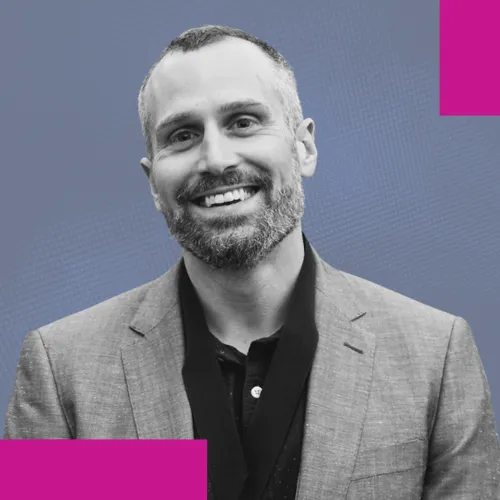
This week, we’re joined by Julia Hamm, a partner with the Ad Hoc Group, to break down where resilience fits in. We look at how utilities justify resilience spending, how regulators are responding, and why so much of the debate comes down to defining the line between reliability, resilience, and routine maintenance.
Then we widen the lens to the emerging resilience-tech market, a growing ecosystem of startups focused on wildfire detection, predictive weather analytics, vegetation management, sensors, and advanced grid modeling. We explore how these technologies could help utilities target investments and turn resilience into opportunity rather than pure cost.
Fill out our listener survey for a chance to win a $100 gift card!
Credits: Co-hosted by Stephen Lacey, Jigar Shah, and Katherine Hamilton. Produced and edited by Stephen Lacey. Original music and engineering by Sean Marquand.
Open Circuit is brought to you by Natural Power. Natural Power specializes in renewable energy consulting and engineering, supporting wind, solar, and battery storage projects from concept through financing. Discover how we’re creating a world powered by renewable energy at naturalpower.com.
With resilience now a leading driver of grid investments, Latitude Media and The Ad Hoc Group are hosting the Power Resilience Forum in Houston, Texas on January 21-23, 2026. Utilities, regulators, innovators, and investors will all be in the room — talking about how to keep the grid running in this new era of heatwaves, wildfires, and storms. Register today here!
Transcript
Stephen Lacey: Julia, you’re in Florida, right?
Julia Hamm: Yeah. Yesterday was record cold. It was the coldest Veterans Day ever.
Stephen Lacey: I was Googling hurricanes coming for Florida just in case we were going to get disruption for you being on the show.
Julia Hamm: No.
Stephen Lacey: Didn’t realize it was record cold.
Julia Hamm: Yeah, the hazard yesterday was what happens is when it gets below a certain temperature, I don’t know the exact number, it’s in the forties, iguanas actually, their systems shut down and they fall out of the trees. So falling iguanas was yesterday’s hazard here.
Stephen Lacey: Have you ever gotten hit by one?
Julia Hamm: I haven’t seen one. Yesterday I was like, oh, I’m going to go out and drive around and look for a falling iguana, but I didn’t end up doing it.
Katherine Hamilton: That’s creepy.
Stephen Lacey: From Latitude Media, this is Open Circuit. This week, the price of resilience. Utilities are facing a collision of pressures, extreme weather, rising load, affordability, and regulatory friction. Everyone agrees the grid needs to be hardened, but the question is how much resilience should we pay for? We’ll examine how utilities justify resilience investments, how regulators are responding, and what spending could look like. Then we’ll widen the lens to the emerging market for resilience tech and look at the wave of startups trying to turn adaptation into opportunity. A conversation with Julia Hamm is coming right up.
Hey everybody, welcome to the show. I’m Stephen Lacey. I’m the executive editor at Latitude Media. My co-hosts Katherine Hamilton and Jigar Shah are with me as always. Katherine is the co-founder and chair of 38 North Solutions. Are your pants dry?
Katherine Hamilton: What?
Stephen Lacey: I spilled water all over you at the live show when we ended.
Katherine Hamilton: God, that’s the worst question anybody has asked me. Are your pants dry? No. I’m so nervous.
Stephen Lacey: I’m turning red over here. I dropped an entire water bottle on you when we finished the live show and I was so embarrassed.
Katherine Hamilton: They dried like 10 minutes after that. We’re good.
Stephen Lacey: All right. You had big news this week, right? Common Charge has a new executive director.
Katherine Hamilton: Yes. I’m so excited. It was just announced this morning and we’re taping on Wednesday. Mary Rafferty, who was the head of Virginia Conservation Network, which was a coalition of 130 groups that really had a ton of impact in the Commonwealth is now going to be leading this national group Common Charge. I’m super excited to help shepherd her into this role, which it will take no time at all for her to jump into. And then I will drop the mic and move on.
Stephen Lacey: So now you’re only acting a director of five other organizations right now. Jigar Shah is the co-managing director of Multiplier. He’s the former director of DOE’s Loan Programs Office. Jigar, were you able to calm down after our conversation about Bill Gates last week? Did you breathe into a paper bag?
Jigar Shah: That was me being calm.
Stephen Lacey: We got quite a response.
Jigar Shah: Well, I got calls from all of the heads of philanthropy, lots of environmental nonprofits. They were like Jigar, thank you. We’re able to say it out loud. We were all thinking it. So I think that’s good. I’m just glad that Gates is off the scene. He has been nothing but trouble since ’07.
Stephen Lacey: I think it was cathartic for some people it was like the conversational equivalent of those squishy stress balls.
Jigar Shah: It’s a lot more than that. The villain is off the scene. Thank God.
Stephen Lacey: With us this week is a longtime friend and colleague, Julia Hamm, a partner at the ad hoc group. Julia is the former CEO of the Smart Electric Power Alliance and the former board chair and founder of Solar Power International, which eventually became the Woodstock of clean energy in the U.S now called RE+. And she’s here to talk about all things power resilience. Julia, welcome. Good to see you.
Julia Hamm: Yeah, excited to be here.
Stephen Lacey: We should start off, speaking of conferences, we’re just a couple of months away from a conference that we are putting on with you folks at Ad Hoc group. It’s called the Power Resilience Forum being held in Houston. It’s a collaboration between the teams at Latitude Media and ad hoc group. And you’ve been following, you’ve been in this really interesting space your entire career where you’ve worked with both utilities and a broader set of companies trying to innovate in the power sector. So what were you hearing from utilities and startups that made you believe that this was the right time for an event like this?
Julia Hamm: Well, actually I don’t think was necessarily what I was hearing from the utilities and the startups. It was more as I looked out into sort of the broader landscape, I saw two things. I saw a lot of events around adaptation, but they aren’t sector specific. So power might be one small piece of it, but it’s much broader. Covers ag, power, you name it, a whole bunch of sectors. And then in the power sector we have a number of convenings that are either super broad like RE+ or Distribute Tech where again, resilience is one piece of the pie, but it is just one small piece of a much bigger picture.
And then on the other end of the spectrum and the power sector, we see a lot of very specialized events. So for example, in the past 18 months, we’ve seen a ton of wildfire specific conferences pop up. And so the gap I saw was that there was nothing that sat in the middle that was power sector specific, but covering all of the issues related to how we have to change how we plan and operate the grid in response to increasing frequency, duration, severity of extreme weather and wildfires. So just based on watching what was happening in the marketplace, I felt like the industry would really benefit from a place to have that dialogue. And I think it’s the theory’s proven to be true. The response has been phenomenal as you all know, Stephen.
Stephen Lacey: All right, so let’s get into some of those. You teased out a bunch of areas of conversation today, and I want to start with the moment that utilities find themselves in right now. So on one side, they’re facing unprecedented stress from extreme weather storms, wildfires, flooding, heat on the other. They’ve got this pressure from regulators and customers to keep rates down even as costs spike from inflation, supply chain delays, increased spending on modernization.
The Edison Electric Institute, as we have discussed on this show, estimates that utilities are planning about a trillion dollars in grid investment by 2030. And the big question is how much of that is truly focused on resilience and how do we balance the need for those investments with all these other cost pressures? So Julia, let’s get your take on this and then I want to bring Katherine and Jigar in here. Out of this projected trillion dollars of spending, is there any way to determine how much of this is actually going to resiliency and effective resiliency?
Julia Hamm: Yes. So you mentioned that trillion dollar number comes from EEI. So the trade association for the investor and Utilities and EEI does have data looking at historical numbers and breaking that down further. So if you look at 2024 as one example, in 2024, the EEI members, the investor and Utilities, they spent about 30 billion on what they categorize as adaptation, hardening and resilience. So essentially it is all things related to anticipating withstanding and recovering from or adapting to threats around extreme weather, wildfire, etc. So in one year, 2024, that spend was about 30 billion. So I think it is reasonable to anticipate that that will increase over the next five years. But even if we assumed a significant increase in that 30 billion, that still means we’re probably, I would anticipate of that trillion by 2030, maybe a quarter of that is actually being spent on resilience.
Stephen Lacey: So Katherine, with all these other cost pressures that I talked about that I outlined and that we have talked about previously, what are the tensions at play when we consider the context around these resiliency investments?
Katherine Hamilton: One tension is that we need to define resilience versus reliability because those two things have very different ways that utilities recover from those expenses. And reliability is really measured in how many times a year does the power go out for how long? Whereas resilience is, how quickly can you recover from that? So that’s much more disaster preparation, whereas reliability is the job of the utility. It’s built into the rate base every year they decide how much is it going to cost us to keep the system running and be as reliable as possible.
Resilience is how do we prepare for things that we may not see in advance and what are those different technologies and different investments look like? And those investments for resilience are able to get a rate of return they’re able to depreciate over time because it’s a longer type of investment. So we need to first tease out what are the differences in what they’re trying to get done, how are they going to be able to recover from it, and how do they spread that out among all of the ratepayers because they need to somehow make sure that it’s done in an affordable and just way.
So if we look at, for example, as demand increases, that is another big constraint, right? Demand is going up, but that also means that there are more customers to which you can spread out the cost. That’s actually something that is an interesting way to look at what the cost of resilience and reliability is. The other piece on resilience that I know some of the EEI members are looking at is what are sort of those externalities? So it’s not just the cost of the equipment, but what is the opportunity cost that’s lost by everybody in need power at any given time?
So what’s the cost of people having to go get hotel rooms or people having to lose going to work because everything is electrified and more and more is getting electrified. So trying to figure out what category are we putting these investments in? How do you recover from those? And then what is it serving? What exactly are you doing with that and how do you account for the cost? And I think those are some of the pressures that are all coming to affordability. You have to first figure out what you’re solving for and figure out how do we get, is it going to have to go in the rate base or is it going to go before the commission as a resilience capital expense?
Julia Hamm: Yeah, and I think it’s important to note that over the past couple of decades we actually have seen an underinvestment in the TND system, which is aging and it really does need investment. And to Katherine’s point about now we’re seeing load growth over the past couple of decades we’ve been in a situation where most utilities we’re seeing had seen plateauing of their load or even in some cases a decline. And so for that reason we didn’t necessarily see the investment in the system that was needed. So we also need to play a little bit of catch up unfortunately, which just compounds the problem when we talk about affordability.
Stephen Lacey: So Jigar, let’s bring you in here. It’s obviously no secret that you’ve been highly critical of utilities for not thinking creatively about how they make investments to serve, say new load growth. What about grid hardening and resiliency? How are you thinking about what is worth investing in this moment?
Jigar Shah: Well, I mean I think the conversation is one of a data challenge. So when you look at Florida Power and Light, for instance, who has been dealing with this for decades because of hurricanes that have pummeled, Miami-Dade County and some of these other places, as Katherine suggested, I mean they sort of built back better through building codes, through all sorts of other things. And they’ve had a comprehensive approach to these things. And as a result, they were able to achieve pretty high levels of reliability with very low electricity in Florida. Clearly none of that was translated over as best practices to California.
And so they have decided that every single thing that they could possibly do is now classified as wildfire costs. Even things that are just routine maintenance, as Julia suggests, around old TND infrastructure, much of which they hadn’t inspected in 70 years, according to the books that Russell Gold and Katherine wrote from the Wall Street Journal.
Stephen Lacey: Katherine Blunt, yeah.
Jigar Shah: Katherine Blunt. So I think part of where we are today is that we have these extraordinary technologies, many of which are venture-backed, right? Or sensors that can detect ignition early so that you can detect it before it becomes a wildfire and all these things. And I think part of the challenge here is that the utility business model doesn’t really benefit from prevention. I mean it does now because the insurance costs have gotten so high and the shareholders are just at wit’s end with their management teams that they’ve invested in. But before that time it was sort of like, oh, we forgot to do tree trimming. Oh, the derecho had us in a place where we’re out of power for seven days. Oh, why did that happen? Oh, because operating costs go directly to utility bonuses.
And so we’re in this weird spot right now where I don’t think we’re having honest conversations a of why people don’t trust each other. We want to talk about technology, we want to talk about this, but if you ask people, was the $5 billion that PSE&G spent on Sandy recovery prudent, there’s literally no work that’s been done on that. I don’t think it was prudent, but someone should actually have the conversation around was it prudent? How prudent was it? Could it have been done for 50% cheaper? What lessons are there for Duke and the hurricane that just hit Asheville? And so I just think that in general there is a huge breakdown of trust right now.
Stephen Lacey: But taking PSE&G as an example, my understanding is that they improve reliability significantly after Hurricane Sandy, that they made a lot of very effective upgrades.
Jigar Shah: Right, but if you talk Rhizome and you talk to the other 10 or 15 startup companies that they didn’t give any contracts to, they could have achieved that for one-tenth the cost. And so then the question becomes like, who’s right? I don’t know. But that conversation isn’t being had in a way that actually informs regulators in the future. It’s sort of like, here’s the most expensive thing we could do and it worked in New Jersey. Are there more affordable ways to do this that actually could do this in a way that prevents these from occurring in the first place?
Julia Hamm: But Jigar, I agree, it’s definitely worth looking back and figuring out what could have been done better and what lessons can other utilities apply going forward. But at the same time, I think we also need to recognize Rhizome and companies like that are all new startups. They did not exist after Sandy, so those resources were not available to PSE&G in order to be able to do assessments.
Jigar Shah: 20 companies that went bankrupt that didn’t get contracts in 2010. So these are just the new crop of companies that probably won’t get contracts this time around.
Julia Hamm: Yeah. Well I think AI plays into this also. Again, we’re sort of diving into the technology conversation maybe earlier than we otherwise would have, but a lot of the new tech companies in the space, regardless of whether they’re hardware or software and hardware or software only, or both hardware and software, are utilizing AI in a way that is allowing utilities to make much more effective decisions about what investments they’re making. And those resources were not available 10 years ago.
Katherine Hamilton: I also think that order of operations is really important. So I reached out to Tim Hade, a friend of the pod from California who’s been working out there forever, and we talked about the public safety power shutoffs where in California they cut the power off. It’s very effective at preventing catastrophic loss from wildfire if they actually de-energize the cables. So then what happens to customers at that time? Maybe we should put a little money on, all right, if we can do this in the short term, which is very effective, let’s figure out how to help communities.
So instead of putting a billion dollars into under-grounding 600 miles of cable for rural communities, maybe use that same billion to put a microgrid at every single fire station in California where you have the fire station have power, but you also have a place for communities to come to charge their phones to get heating or cooling. So think about what are the kinds of things we need to do first? What are the things that are going to be the best investments first and then put forward the long-term investments and is it really worth it? I think that’s what we need to really get down to.
Julia Hamm: The first PSPS event, I think that PG&E did, they had to shut off something like a million customers, right? Because they couldn’t get more specific in terms of both where the highest risk was, but also just the actual technology on the system wouldn’t allow them to only shut down certain parts of it. They’re now at the point when they have to do a PSPS event, they can go down just to a specific feeder that only may impact a very small number of customers. So that’s really one very meaningful advancement when we’re talking specifically about wildfire in terms of minimizing the impact to the smallest number of customers possible and really limiting the impact to where the risk is truly the highest.
Stephen Lacey: So on the microgrids piece, how would a utility evaluate whether to invest in a series of microgrids versus under-grounding a line, for example, to use Katherine’s example?
Julia Hamm: Yeah, well one of the first steps is risk assessment. So there are companies like Technosylva and others in the space that have great tools in order help utilities really assess where their highest level of risk is. And not just for wildfire, it could be for floods, it could be for storms, other issues. And so first is really doing that risk assessment and understanding where the highest risk is and focusing your efforts and doing things differently in those places. And so there have been cases with the California utilities where they have decided when there has been a wildfire rather than rebuilding the poles and wires that they have instead put in micro-grids so that we’re beginning to see that happen. And then there are other utilities. Know Stephen, in my introduction, one of the hats I wear that wasn’t mentioned is I am also on the board now of an electric and gas utility.
And so I know from that experience as well as my conversations with many other utilities across the country that utilities are now getting to the point of, Katherine talked about micro-grids for fire stations and schools and evacuation centers, but utilities are now getting to the point where they’re engaging with individual residential customers to make sure they understand, for example, who is at highest risk in terms of they need electricity because they have medicine that needs to be refrigerated or they rely on a medical device that is electronically powered. And utilities are starting to figure out who are those customers. And I think we will see a point in time when utilities begin to offer those customers back up in the form of solar storage or some other option to make sure that the most vulnerable customers are protected in those situations.
Stephen Lacey: Jigar, I’m pretty sympathetic to the utilities in this case. We have been talking for a decade and a half about how lots of different corporates, utilities in particular have not been prepared to handle extreme weather and now that they are investing heavily into hardening the system, into maintaining the system so that they don’t have as many vulnerabilities and they’re spending a lot of money to do so, they’re now coming under criticism. And so they have a really tough job and they’re under really acute threats. And so I wonder if you give them a little bit of benefit of the doubt in this situation?
Jigar Shah: Compared to what? So basically you get paid 26 million a year to be the CEO of a utility and you have had cost increases and reliability challenges that are 10 x of public power who get paid $500,000 a year for their salary. So excuse me for having 52 times more like expectations of the CEOs of the utilities that are investor-owned than public power CEOs who’ve had a far better track record on cost reduction and reliability. And so I want to make sure that we’re being crystal clear about the benchmarks by which we judge these folks, like rural electric co-ops controlled 42% of all distribution circuits in the country in terms of miles, but they have far higher and reliability scores. And so I don’t know-
Julia Hamm: Jigar, and I’m curious, I would love to see that data if that’s-
Jigar Shah: That data’s on the NRECA website. They spent $79 billion total of CapEx across all electric co-ops from 2018 to 2022. At the same time the investor-owned utilities invested something on the order of 10X that amount of money, the $178 billion of CapEx last year. And I totally agree with Julia’s point, which is that they are making up for lost time because they severely under-invested in the grid in the 1990s and the 1980s. I get it.
But the question I have in front of us is that if you were to say to people, do we have modern technologies today that can do the job that’s in front of us today? The answer is of course we do. Yes, of course we do. And then the question is, are utilities places that embrace innovation? And the answer is of course they don’t. Literally no. And so if you talk to any venture capital-backed firm or any venture capitalist or anything and then you say, great, these are all companies, we can’t rely on startup companies, fine.
Then give me an alternative view of what the five-year plan is of how you’re going to go from pilot to full rollout. Because I’m on, I don’t know, year 18 of pilot now. And so when is it that we can figure out what the innovation cycle looks like? What I do want to know is what the rules are because right now in AI for instance, everyone is fleeing from the utility space because they’re like, we’re making way more money in the oil and gas space, applying AI there, and we still are on pilot mode after pilot mode in the utility space. And so I just want to know what is the expectations that we can all have for when you’ve proven your solution and it works through this, this and this when you have the right to get rolled out?
Katherine Hamilton: Yeah, one example I would also give is I heard an interview with Entergy and Entergy Louisiana CEOs on the EI podcast, I guess it was at their conference, and they were talking about $2 billion of investments in hardening poles and lines. And that is as a result of the standards changing, they have to meet 150 mile per hour wind speeds now because of all the hurricanes. And the issue is they’re replacing equipment that still has not been depreciated. So customers have already paid for the lifetime of that equipment that is now being completely replaced. And it just struck me that maybe there are some other things we can do as well that would not cause us to have to just double the cost of everything, but that would be much more strategic and targeted at where the issues really occur as opposed to let’s just replace everything. It’s going to have to be super great because it has to be able to withstand 150 mile hour winds. I mean, we want that, but we also need to be careful about making sure that customers aren’t paying twice for everything.
Julia Hamm: Jigar, I am with you that we need to change the paradigm around pilots, right? I mean it is one of my soapbox issues as well. So this is a case where Jigar and I are in agreement.
Jigar Shah: You and I have agreed on lots of things.
Julia Hamm: We have. I know. I’m just teasing. Yes, Jigar and I have been at this for 20 years doing this fun banter back and forth between us, but I have witnessed firsthand that when we’re talking about resilience issues, it doesn’t move as fast as it needs to move, but it is different. Mean there is a level of urgency for utilities in particular with wildfire, but not just with wildfire to really improve in the resilience space. And so what I’m seeing is that utilities are more willing to take a technology risk to avoid an enterprise risk, which is what wildfire is.
It’s a real enterprise risk to the entire business and therefore they’re willing to take technology risk that typically they’re much more hesitant to take. So if you look at a company like Pano, Pano has AI enabled cameras that do smoke detection, so very early detection of wildfires and helps first responders be aware of and get to wildfires before they can spread. That is a technology that the company is only five years old, they’re deployed with many utilities across the country at scale. And so they went very quickly within their first year of production to a multi-billion dollar, a multi-million dollar contract with a utility. So there’s an example where again, when there is an actual threat to the utility and its customers and its ability to do its job, they can move fast and they will move fast. So Pano is sort of an extreme example, but I think it is true in all of the companies that we’re working with in the resilience space, many of whom are startups, we are seeing utilities adopt the technology at a much faster pace than they historically have to address other issues.
Jigar Shah: No, and I agree with you on that. I think if you look at grid wear, they’re another company that was started by a lineman and they’re doing physical sensors, so physical security and I think they’ve taken off as well backed by Sequoia Capital. And
So I hear you, the thing that frustrates me is we are in this breakdown of trust right now, and I think the utilities are trying their best to navigate this, but they’re not admitting that they had a full role in this breakdown of trust. That’s why we’re in the situation we’re in today because regulators can’t tell whether the 10% rate increases is because they were padding the numbers or whether it was all completely necessary. And now in many of these states you’re at 50% rate increases. I mean, we had two elections last week that were basically all about electricity bill affordability. And so I think part of what I want to make sure that happens at this conference, but also in this conversation is that we get super tactical about what it takes to build trust between these communities because I think the utilities have cried wolf a few times in the past and made a lot of money for shareholders by crying wolf, right?
I remember distinctly that Stephen and Katherine and I had a very clear conversation about this in 2016 after the first wildfires in California about synchro phasers and how they had been fully deployed in Sempra and SDG knees territory and SCE and PG&E couldn’t be bothered. And then campfire occurred and we were like, God it, why didn’t they deploy all these technologies? And so I just want to make sure that we are not leaving the elephant in the room, which is that the breakdown of trust is real. And I don’t think that this is going to get solved because the utilities are earnest on this issue, but not all the other issues.
Julia Hamm: Well, I think you said it very early on in the conversation, Jigar I think, or maybe Stephen said it, but a lot of this is about data and access to data and we are at a place where there’s much more data available about where there’s actual risk on the system where investments should be made much more surgically. I mean, it used to be a utility would say, okay, we’ve got this resilience problem and I’m just going to pick an example. Most utilities back in the day had wood poles. And in a place like Florida where there’s lots of storms, you could say, well, gosh, we should probably get rid of all of our wood poles and replace them with steel or composite poles.
And it was sort of a blanket approach and that costs a lot of money. But we’re now at a point where we can do an assessment to say, actually here are the specific places on our system based on both the health of the asset but also the actual risk in terms of much more localized weather conditions to say, no, actually it’s these specific poles that we should replace with steel or composite, which might be more expensive upfront, but in the long run actually are going to be less expensive for customers.
And so we’re seeing that shift from don’t, actually it is a scary truth that for a long time utilities, there’s a lot of stuff they didn’t know about their system, and so it’s just sort of like, well, we think this thing’s better than this thing, so we’re just going to sort of blanket it across the whole system in order to make it better. But now today we have much better data that lets the utility say, no, no, no, we’re going to make these specific investments in these very specific places because that’s where the best value for customers is going to come from.
Katherine Hamilton: I also think we need to focus on what are the sweet spots for the utility. So where are issues the most acute, as you say, will be very, very tactical about that and where can you have the most impact? I would just stipulate that working for a utility, and this is one place where customers are generally mad at the utility because of the cost and also because they lose power. So those are two times where they encounter the utility and it’s not happy. However, when you have alignment out there repairing your line, they are universally generally extremely grateful and extremely kind to them because this is an extremely difficult and very dangerous job.
And I worked designing grids and I would go out with alignment all the time, and it is terrifying what they do. And so trying to figure out what are the technologies and what are the solutions that are going to help that workforce do a better job at resilience? I know there’s a startup called Urban that was bought by Itron, and that’s what they do. They work on workforce issues, worker safety, emergency preparedness and response and damage prevention and use AI to do that. And those are the kinds of technologies I think, and Julia mentioned a couple as well that are really in the sweet spot of utilities. There are a whole host of other technologies, and I would argue that VPP is and micro grids and other technologies like that, that utilities should be partnering with third parties on not doing it themselves because that is not their sweet spot.
Stephen Lacey: So I want to turn to Texas. Let’s talk about CenterPoint Energy, which has been trying to make the case that they’re a national model for resilience. They’ve got this greater Houston Resiliency initiative that includes I think 25,000 storm hardened poles, hundreds of miles of under-grounding, a bunch of digitization. It was part of this over 5 billion plan, but it got cut down by regulators. So what were they proposing? What was innovative and what was more conventional about the plan and where did the friction with regulators come from?
Julia Hamm: Well, I think one additional fact in this, Stephen, that’s interesting is so you mentioned the original plan they proposed was over 5 billion, so it was 5.75 billion. They reached a settlement with the intervenors for 3.2 billion, and the commission actually rejected the settlement. And that’s pretty rare to see. Typically, when the utility and all of the stakeholders are able to come to a settlement, the commissions typically accept that. But in this case, the Texas Commission actually trimmed it even further down to 2.7 billion. I think the commission’s perspective was it’s back to this data thing. They felt they didn’t necessarily have all of the support they needed to justify all of those investments, but CenterPoint has a lot that it’s undertaking.
And again, it’s sort of similar to the conversation we’ve been having here around they had a lot that should have been done to the system that hadn’t been done, and they had a lot of challenges, especially in terms of communicating with customers that really hurt them and now they’re playing catch up in order and on top of a time when they actually are seeing the impacts of the climate changing, right? They’re seeing more frequent extreme hurricanes and flooding. They’re seeing more extreme heat and cold. They’re seeing wildfires in Texas in a meaningful way for the first time.
So as we are working with startups across the space and we’re asking them, it comes up a lot in the context of this power Resilience Forum that we’re doing with you guys. Steven, as we’re talking to technology companies about, Hey, we’d love you to talk at this conference about your technology, and we’d love you to bring a utility with you to talk about how they’re using you. It is been really interesting that so many of them, their first response of what utility they want to bring with them to talk about these issues is CenterPoint. And so I’ve known that these companies are, CenterPoint is bringing in a lot of new technology companies as part of their resilience plan, but they’re doing it in a way where the technology companies are really looking at CenterPoint as a leader in this space.
Jigar Shah: And that happened though from a direct result of the fact that Commissioner McAdams, who is on the commission at the time was supported by a DOE fellow named Tiffany Wu, who they just went on their own and created McAdams Energy Group and they insisted that CenterPoint implement technology that CenterPoint was not comfortable with. If you remember, this is when the ADER pilot got launched in Texas and CenterPoint was required to be enthusiastic about the ADER pilot, which they were not initially enthusiastic about. And our friend Arushi Frank was involved with that and all that stuff.
And part of the reason why the settlement got cut down more was because there was tons of technical assistance being provided by DOE at the time to the state of Texas out of the winter storm Yuri know disaster response. So the commissioners were far more educated than they otherwise would’ve been around all the technologies that CenterPoint could deploy. And the other thing was going on, if you remember with CenterPoint, had all those kickback contracts for backup diesel generators that never showed up when they needed it. And so people were just furious with CenterPoint. And so I think that CenterPoint is exactly the case study that I’m talking about, which is that they have worked to their credit to build trust again with their community, which they had completely lost.
Julia Hamm: Yeah, but they’ve done a very impressive job at a very short period of time in doing that. To me, the biggest lesson is about the importance of proactive investment, which I know is hard, right? Commissions have a really hard job and determining the prudency of investments is a very challenging thing to do, especially in an era where we have as an industry made a lot of investments based on historical data, looking at historical frequency of storms, historical temperatures, but we know that’s changing.
And so we have to, to Jigar’s point around trust, we collectively as an industry, regulators, utilities, other stakeholders have to get to a point where we can trust Forecasts about how weather patterns are going to be changing into the future. And what that means about the investment decisions that utilities should be making. I mean, the design standards need to change, and so when a storm comes through and there is a recovery effort, we can’t just build back to the same standard we had before. And I think CenterPoint has sort of had a couple of really bad situations in the past few years and now they are trying to replicate I think what Florida did in terms of having a much more holistic long-term Resiliency plan, which is going to dictate their investments as a business for many years to come.
Jigar Shah: I think where we are is that this is a very interconnected conversation. We are now on the seventh generation of smart meters in PG&E’s territory, and Quinn wants to put another generation of AMI out there, which is just ridiculous. We have still not unlocked any of that data. To Julia’s point, the utility really is blind south of the distribution substation, and so they don’t really know what’s happening, even though that data is all their data, they just haven’t processed it. Their existing software is incapable of processing it. And so now we need to figure this out. The reason it matters is the other case study that we all talk about is Chattanooga. They used era stimulus money to actually put in sensors and to figure out exactly how to bring their system back up in the case of an outage. And as a result, when the derecho went through there in 2013, they were able to actually use data to send linemen to the right places to bring people back up quickly.
And PEPCO had no such data. And so PEPCO is doing it the old-school way, which is people pinging their system and telling them that they were down and they were just randomly sending linemen out to people, which most utilities still do by the way, they’re not using the sensors. So I just want to make sure we’re clear that the reason there is so much animosity right now is that the utility spent 178 billion of CapEx last year. They’re expected to spend 210 billion of CapEx next year. The Trump EIA is saying that that’s going to cause 10% rate increases next year. And so now we’re in a place where the resiliency investments might be awesome, but they never unlock the data from the smart meters that they invested in.
Katherine Hamilton: What we’re doing is limiting ourselves to what the utilities are doing, and that just isn’t the whole picture. So when you look at ERCOT, the reason they are far more resilient to future storms is not because necessarily what the utility has done, but because of the increased deployment of solar and storage. And that’s just become a fact in ERCOT. They have the data to show that. And I think what we need to look at now is how do we unlock, as Jigar said, all of this capacity that is out there that customers have that aggregators have to help because the utility in and of itself is not going to be able to solve for this on their own.
Stephen Lacey: So let’s turn to this whole ecosystem of solutions now outside the utility walls, hopefully increasingly inside the utility walls, there’s this whole new market forming around resilience tech, and it’s getting pretty sophisticated. McKinsey estimates that the market for climate resilience technologies could be worth up to $1 trillion by 2030. That covers everything from ai, wildfire detection systems and flood modeling to insurance platforms and advanced materials that can withstand higher heat and wind loads. I think there’s also this question about how we factor in distributed resources into that ecosystem as well. So let’s talk about where the investment is happening. Julia, you’re tracking, I think a hundred plus startups in this space at ad hoc. How does the taxonomy break down? How are you thinking about the size and scope of this market?
Julia Hamm: Yeah, well, it’s certainly growing quickly and you mentioned as you’re sort of giving that preamble there to this section, a lot of the technology categories we’re talking about. I mean certainly wildfire tech is a hot one. We’re seeing a lot of companies in that space. I think one of the interesting trends we’re seeing is that companies that started out specifically focused only on wildfire are now expanding to other hazards. And I think that’s really important. We’re seeing a lot of desire particularly, yes, wildfire risk used to just be a west coast thing. It’s starting to move east now. So even East coast utilities are starting to think about wildfire risk, but regulators are, and utilities and others are saying, yes, we have wildfire risk. It’s not the same level of risk as California or some other places. So it is harder to justify investment in a technology that is only addressing wildfire risk.
So we need technologies that are addressing a broader set of risks in order to justify those investments. So that’s one interesting trend I think we’re seeing are these companies that got their start in wildfire and now are broadening out, which also helps, Jigar, to the trust in startups and helping to, because of the urgency around wildfire issues, those companies are able to get in and scale faster. Utilities build trust and then be able to expand their product lines within utilities that they already have relationships with. So that’s very helpful. We’re also seeing a lot in the category of asset management and vegetation management, particularly leveraging LIDAR and visual data, combining that with AI essentially to move from what used to be a very manual process to one that’s much more efficient and much lower cost for O&M budgets. So there’s a whole category of technologies in that space that we’re seeing really begin to flourish.
And Jigar mentioned earlier in the conversation about sensors certainly seeing a lot in the category of acoustic sensors, dynamic line rating technologies. Those are becoming much more widely deployed across the industry. And then the last category I’d mentioned, there are others, but another big one we’re seeing is around weather modeling. And so both near-term weather forecasts, but also some companies that are focused on the next five days. And we have other companies that are starting to focus on the next 14 days and then others that are doing much longer term weather forecasting. And so that’s really helping for operational purposes and having long-term climate informed forecasting for resilience planning are really becoming essential tools for utilities.
Stephen Lacey: Katherine, are you working with startups in this space? And is it any different from the traditional DER space that you have operated in?
Katherine Hamilton: Yes, we’ve talked to a lot of companies that are in a lot of those spaces that Julia just mentioned, drone companies, AI companies that are trying to do a lot more predictive analysis. I mean, the issue is that you bump up against utilities that have their own meteorologists and what is the incremental increase in data and knowledge that they need that will make it worth the investment and worth partnering with these third-party really interesting innovators because part of it is what do you get, what kind of impact do you get for the investment and what’s the margin there for a utility as opposed to the DER side, which is about customer deployment and just allowing that to happen and allowing utilities to understand where it’s happening so that they can take advantage of that as opposed to something that’s going directly into their system. And I just think there are different places and different sales processes.
Julia Hamm: To Katherine’s point, drones popped up another thought for me. One of the things I’m commonly hearing utility executives talk about is, and it gets back, Jigar, to your point on AMI data right now in terms from resilience technologies, they’re getting way more data from all of these different technologies. And now the concern I’m hearing is we’re getting all this data, but what we really need help with is figuring out how to take that data and turn it into action plans. If I have a drone that goes out and flies my whole system and identifies every problem on my system, I need something to help me prioritize and then actually put together a plan for how we’re going to address those problems.
And so I think that really is, I’m hearing that as sort of an up at night issue for a lot of utility executives right now is in the resilience space specifically. We’re getting more and more data thanks to all of these new technologies, but we’re not quite yet what to do with it and how to make it useful and actually turn it into the thing. Steven, you were talking about in terms of the actual proof that these investments were worth it.
Stephen Lacey: That is the piece that makes me a little bit more nervous because utilities haven’t historically been very good at managing large amounts of data, but hopefully.
Julia Hamm: But the good news is they are thinking, I mean, like I said-
Katherine Hamilton: They’re worried about it.
Julia Hamm: They are worried about it.
Jigar Shah: They need some melatonin and some magnesium for it. That’s a step in the right direction.
Stephen Lacey: Jigar, what do you make of this space? And specifically to the McKinsey report, I think you had some questions and to how they were categorizing the technology. What was your reaction to the way they were framing this sector out?
Jigar Shah: Well, look, I think it’s not easy to get to a trillion dollar number, so you got to throw a lot of stuff in the fire, right? And so they added HVAC solutions and they added batteries and they added all sorts of stuff, some of which is DER stuff there. So I don’t know that, I think most utilities view batteries as resiliency, but I think it’s more reliability. But as Katherine suggested for the reliability versus resiliency struggle is real. Look, I think the big challenge to Julia’s point is that the utilities have a long history of spending the money and not getting full utilization out of the stuff they spent money on. So when you think about AMI and all that stuff.
But even remember Tom Siebel, right? I mean with C3, that was the entire point of Tom Siebel’s company is that you have a limited number of maintenance crews, which things should they prioritize? That was what his software did. And after seven years of hiring the smartest people in the country and trying to get rate basing for this software and all this other stuff, he just abandoned the utility sector and went to oil and gas. He is like, I can make money there next week. And so-
Julia Hamm: Jigar, what percentage of podcasts do you use that example? I feel like-
Stephen Lacey: He used it once.
Jigar Shah: I use it a lot because he’s a billionaire, and so I would’ve thought that he was part of the same country club as those utilities and he still didn’t make any progress. And so I just want to make sure that we’re all going into this in a very sober way because, and the reason I care about this, and I know you guys care about this too, is that we have one in five households now that are behind on at least one energy bill. We have one in three households that are now making decisions on other parts of their budget so that they can pay their electricity bill so that they don’t get it cut off. We are in very serious red line territory now on affordability and energy burden. And I think the utilities do care about that in a big way, and they hear about that from their customers, but they’re not doing anything different based on it.
That’s what EEI is saying. EEI is saying, we hear you and we are not going to change a goddamn thing. We’re going to invest 1.1 trillion through 2029 because we didn’t actually want to change anything. And I just want to make sure that we’re all, I totally get the value of resiliency. And Jay Koh and Sanjay Wagle have been good friends of mine who’ve been working on this for God knows like 15 years. But I just think that where we are right now is in a place that is not good. It is not good in any way, shape or form, and we keep acting like we’re in a normal situation when utility affordability hits governor’s races and there’s 30 governor’s races in 2026, this is going to go immediately into a bad place. This is going to go so badly. Right?
Julia Hamm: Jigar, I am glad you mentioned an energy burden. And I know we’re sort of diverting a little bit from the specific topic of resilience, but it’s connected. And I do think we all talk about affordability, but affordability is really hard to define. It means different things for different people. But if we start talking about energy burden, which has a very specific definition, in most cases, it’s when a household is spending more than 6% of its gross income on its energy bill. That’s very tangible.
So if we can, if we could stop talking about affordability and generalities and start talking about what customers actually have high energy burden and what can we do to help those customers specifically? And I know those conversations do happen, there’s lots of programs focused on that, but I think a shift from talking about affordability to talking about energy burden would help us all have a focus on more concrete actions that can help solve this.
Stephen Lacey: Yes, and I do think this actually ties into the question about startups and the traction of new technologies. For the last few episodes, we have been talking about the affordability issue. Maybe we’ll use the term energy burden more consistently, but we have been talking about why this moment is so important for bringing technologies on the sidelines, whether they be grid enhancing technologies or distributed resources and batteries to the center of the solutions to make electricity more affordable and to prevent us from just investing in really capital intensive grid upgrades.
And so the whole argument that we’ve been making is that this is a really key opportunity to bring a lot more of those solutions into planning. I guess the question is, could the same be said for a lot of these resiliency technologies where that there is this urgency, not only do you have the urgency of extreme weather, but you now have these rising costs. And so are utilities more willing to start to work with startups and take some of these technologies that they haven’t historically considered more seriously?
Jigar Shah: But my point is a little bit different, Stephen, just to be clear. When the governor-elect of New Jersey decides to freeze rates, which is I think the worst possible policy mechanism to do the sector that actually suffers the most is resiliency. When you have a certain budget, you frozen rates, you have a certain budget, there is money that can go into load growth. There’s money that can go into reliability, and there’s money that can go into resiliency. Resiliency is the thing that they’re going to push off for three years.
And so the reason I care so much about this, and I know people think I rag on the utilities just for sport, and maybe I do, but part of the reason I do it is because I am trying to help them. When you look at capital formation, every single startup that I talk to, if they’re trying to sell to the electric utility, investors are like, no, we’re not going to fund you because we know that that’s where dreams go to die. And we’ve had no successful exits there.
And so I think that the utility companies for a long time didn’t care. They’re like, we don’t care that we’re not great customers. And now finally, I think they do care because they realize all the pressure that’s on them, and they don’t know how to act differently. They don’t know how to behave differently, and they don’t know that they are central to the capital formation of these companies that when they do things that are stupid, then these companies have a hard time raising money and governors get the wrong signal, and governors do dumb things, and then the whole thing breaks down. And so it’s actually not good for them.
Stephen Lacey: Julia, you hinted at this earlier. Does this particular category or this particular set of pressures feel different for the way that utilities work startups?
Julia Hamm: It does absolutely when we’re talking about wildfire, because wildfire has massive liability risk to utilities, so it is unique in that way. Now, that is changing over time because we’re seeing more and more states begin to pass legislation that’s helping sort of protect, put in some bounds around utility liability for wildfire. But I think that does begin to bleed into other resilience investments as well. So I think it is different, but it’s also relatively early days, I think in this resilience tech space. I mean, one of the observations I’ll make is just as a society for the past couple of decades from an investment standpoint, there’s been a big focus on mitigation. It’s been about de-carbonization. We’ve been looking to really mitigate the impacts of climate change. And I think we’re at this transition point where everyone’s recognizing, yes, that’s important, but also we’re sort of to the point where weather is changing and therefore
We need to make investments in adaptation technologies. And so that’s sort of the broader language. But I think when people are talking about adaptation technologies in our space, they’re really talking about resilience technologies. So I do think we’re beginning to see the shift from the investment community and putting more resources behind these technologies that are going to help us adapt the system, which ultimately is going to change the game. And again, is giving utilities more options in terms of the technologies they can use. But also to Jigar’s point, it can be pretty overwhelming. How do you assess when you have 10 startups all sort of doing the same thing? How do you choose which one to work with? And it gets pretty complicated for companies that aren’t used to working in those types of environments.
Stephen Lacey: Julia Hamm is a partner with the Ad Hoc Group. Thank you so much for doing this. We will see you at the Power Resilience Forum in Houston. Give someone one good reason why they should be there in January.
Julia Hamm: They should be there because we are pulling together all of the right stakeholders to have the conversation that is going to ultimately influence what resilience looks like on our system in the future. So utility executives, the technology company, founders, CEOs, both startups and larger companies that are bringing new innovative technologies to market. The investment community, the insurers, the credit agencies, the regulators, the consumer advocates. We’re going to have them all in the room having this dialogue. So both very tactically to identify lessons learned and best practices, but more importantly, to really influence and have impact on what this looks like in the future.
Stephen Lacey: And we’ll drop Jigar in the room there to stir the pot too.
Jigar Shah: I’m excited to be there. I think this is such an extraordinary moment and I’m really excited to be at the conference.
Julia Hamm: Yeah. Yeah, well, I guess we should mention Steven, right, that you guys will be doing a live podcast as part of the-
Stephen Lacey: We will be doing a live open circuit. Yes, indeed. All right, looking forward to it. Thank you so much for joining us. This is a good conversation. It’s a really thick conversation, so definitely worth a multi-day event. That is it for this week’s Open Circuit.
Open Circuit is produced by Latitude Media. Jigar Shaw and Katherine Hamilton are my co-hosts. I am Stephen Lacey, your host and executive editor. The show is edited by me. Sean Marquand is our technical director, and Bailey is our senior podcast editor. And of course, for more in-depth reporting on the stories we cover, sign up for Latitude Media’s newsletters. And to sign up and get your ticket for Power Resilience Forum, go to resilience-forum.com. We’ll catch you next week. Thanks for being here.